Discover powerful event branding concepts that create unforgettable experiences. Transform your event into a compelling brand journey.
TL;DR:
• Effective event branding creates immersive experiences by integrating visual, sensory, and messaging elements throughout the event. Consistent cross-channel communication and atmospheric design reinforce brand identity, while sustainability signals authenticity. Planning branding early and aligning teams prevents last-minute fixes that weaken the overall impression.
Event branding concepts are integrated design and messaging strategies that express a brand’s identity at every touchpoint of an event. The industry term for this practice is experiential brand identity, and it goes far beyond printing a logo on a banner. When done well, event branding transforms a venue into a living expression of what a brand stands for. Porcci NYC works with planners and marketers across New York City and New Jersey who want every detail, from lighting to sound to signage, to tell a consistent story that attendees feel long after they leave.
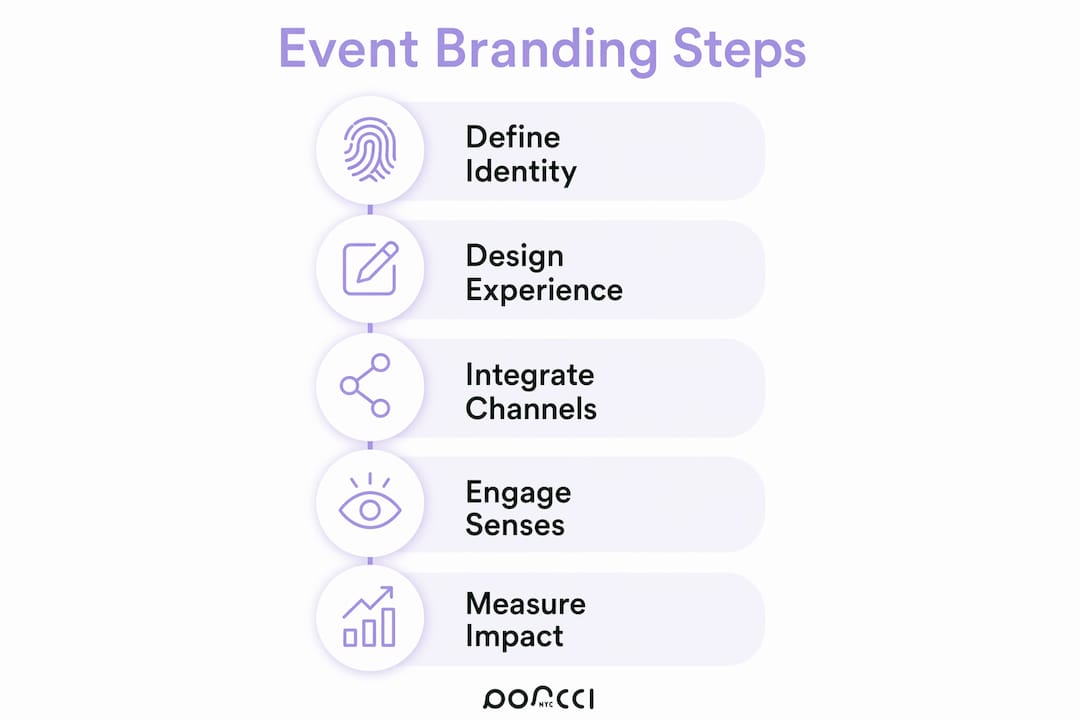
Event branding concepts are the deliberate choices that shape how attendees perceive and experience a brand throughout an event. They cover visual identity, sensory design, messaging, and the flow of the attendee journey. The goal is not decoration. The goal is immersion. When every element reinforces the same message, attendees stop noticing individual pieces and start feeling the brand as a whole.
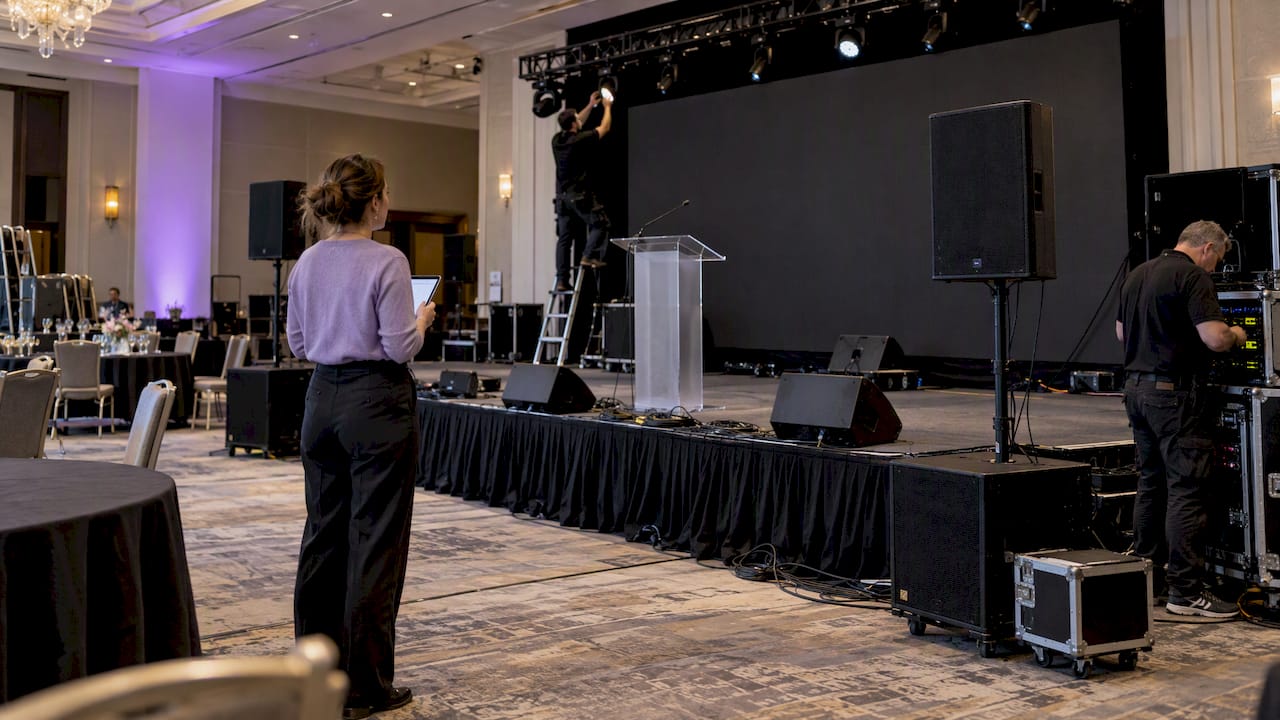
Planning event branding must involve early, intentional decisions on flow, layout, and sensory cues rather than last-minute decorative add-ons. That distinction matters because late-stage branding tends to feel patched together. Planners who build brand identity into the venue layout, the lighting plan, and the run-of-show from day one produce events that feel cohesive and purposeful.
Omnichannel integration is the practice of assigning a specific role to each communication channel so the brand message stays clear and consistent. Each channel serves a distinct function: email informs and converts, social media attracts and validates, and on-site signage orients and reassures attendees. Treating all channels the same produces repetitive, forgettable content. Treating each one as a specialized tool produces clarity.
Here is how to assign those roles in practice:
• Email: Send logistical details, registration confirmations, and pre-event brand storytelling to build anticipation.
• Social media: Use short video, branded hashtags, and behind-the-scenes content to generate buzz before and during the event.
• On-site signage: Focus on wayfinding and atmosphere rather than promotional copy. Attendees are already there.
• Event app or website: White-label every touchpoint so the registration flow, agenda pages, and push notifications all carry the same visual identity.
• Post-event content: Repurpose photos, video clips, and speaker highlights to extend brand reach beyond the room.
Pro Tip: Never push the same message across every channel at the same time. Attendees who receive identical content in their inbox, on Instagram, and on a banner at the entrance feel like they are being shouted at, not welcomed.
Consistent cross-platform branding prevents vendor branding from diluting your identity. If your event app defaults to a third-party provider’s color scheme, you lose control of the attendee’s first digital impression. Own every screen they see.
Effective event branding uses atmosphere, texture, lighting, sound, and layout to express brand personality subconsciously rather than overusing logos. That is a significant shift from how most planners think about branding. The instinct is to put the logo everywhere. The result is visual noise that attendees tune out.
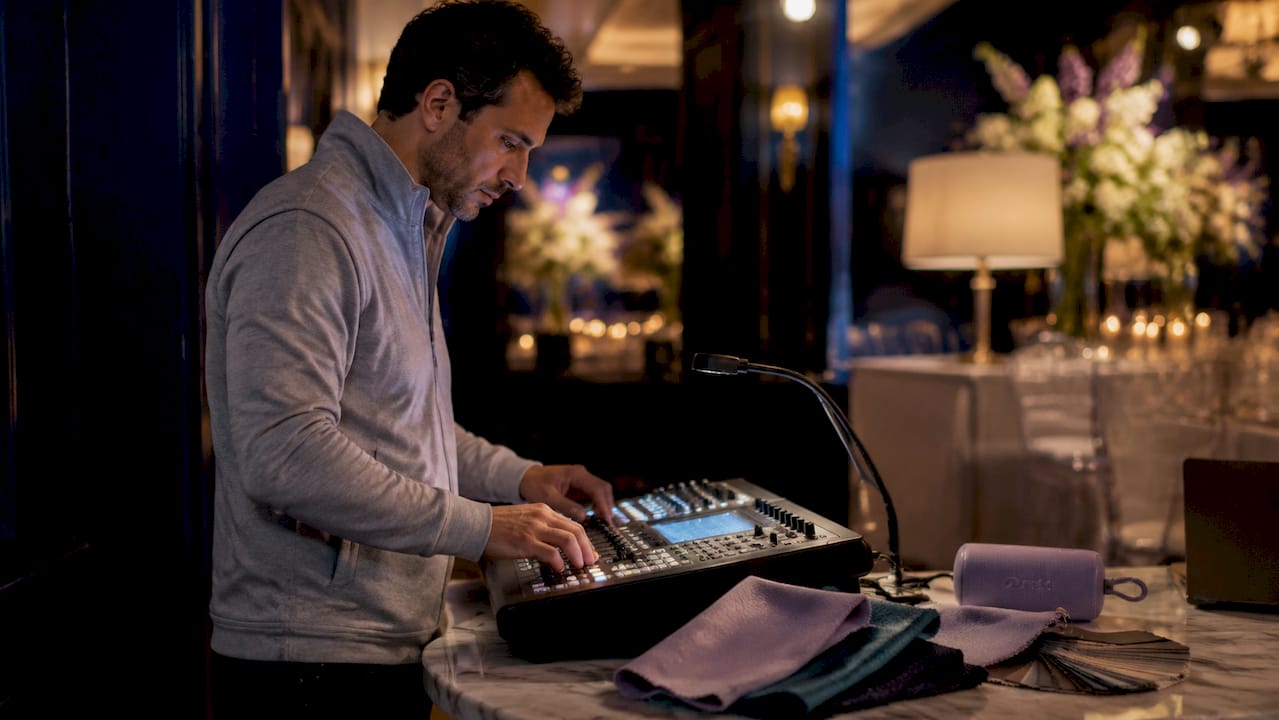
Lighting shapes event tone and brand personality more than most planners realize. Sharp, cool-toned lighting signals a modern, tech-forward brand. Warm, diffused lighting signals intimacy and warmth. The same room with different lighting feels like a completely different brand. Porcci NYC’s event lighting services are built around this principle: light is not a utility, it is a branding tool.
Sound works the same way. A curated playlist that matches brand energy sets the emotional tone before a single speaker takes the stage. You can read more about how syncing lighting and sound creates a unified sensory experience for attendees.
Additional sensory design elements that reinforce brand identity include:
• Material choices: Wood and linen signal warmth and craft. Metal and glass signal precision and modernity.
• Space layout: Open floor plans encourage networking and signal accessibility. Defined zones signal exclusivity and curation.
• Environmental storytelling: Use props, printed materials, and furniture to reinforce the brand narrative without a single logo in sight.
• Layered logo integration: Fold logos into textures and materials rather than isolating them on standalone signs.
Pro Tip: Walk the venue as an attendee before the event opens. If the first thing you notice is a logo rather than a feeling, the branding is working against you.
Transforming event spaces to reflect brand values through thematic world-building turns attendees into active participants rather than passive observers. That shift from observer to participant is where brand loyalty is built.
Sustainability is a core brand pillar in 2026 event planning, not an optional add-on. Locally sourced materials, zero-waste initiatives, and efficient production workflows communicate brand values as clearly as any visual element. Attendees and stakeholders now read sustainability choices as signals of authenticity. A brand that claims to care about the environment but ships in single-use plastic décor sends a contradictory message.
Practical sustainability strategies for event planners include:
• Modular stage elements: Reusable structures reduce waste and cut production costs across multiple events.
• Digital-first collateral: Replace printed programs and signage with QR codes and event apps.
• Local vendor partnerships: Sourcing catering, florals, and rentals locally reduces carbon footprint and supports the brand’s community story.
• Zero-waste stations: Clearly labeled recycling and composting stations signal commitment without requiring a single word of explanation.
Porcci NYC’s approach to sustainable event rentals reflects this shift. Reusable equipment, efficient delivery logistics, and modular setups reduce waste while keeping production quality high.
Consistent brand execution requires internal alignment across production, marketing, and logistics teams. Without it, on-site branding becomes inconsistent and the attendee experience suffers. The fix is straightforward: shared style guides and regular cross-team communication before and during the event.
Follow these steps to keep execution tight:
1. Distribute a brand style guide early. Every team member, from the AV crew to the catering staff, should know the approved colors, fonts, and tone of voice.
2. Hold a pre-event walkthrough. Walk every team through the venue layout and identify where brand elements appear, and where they should not.
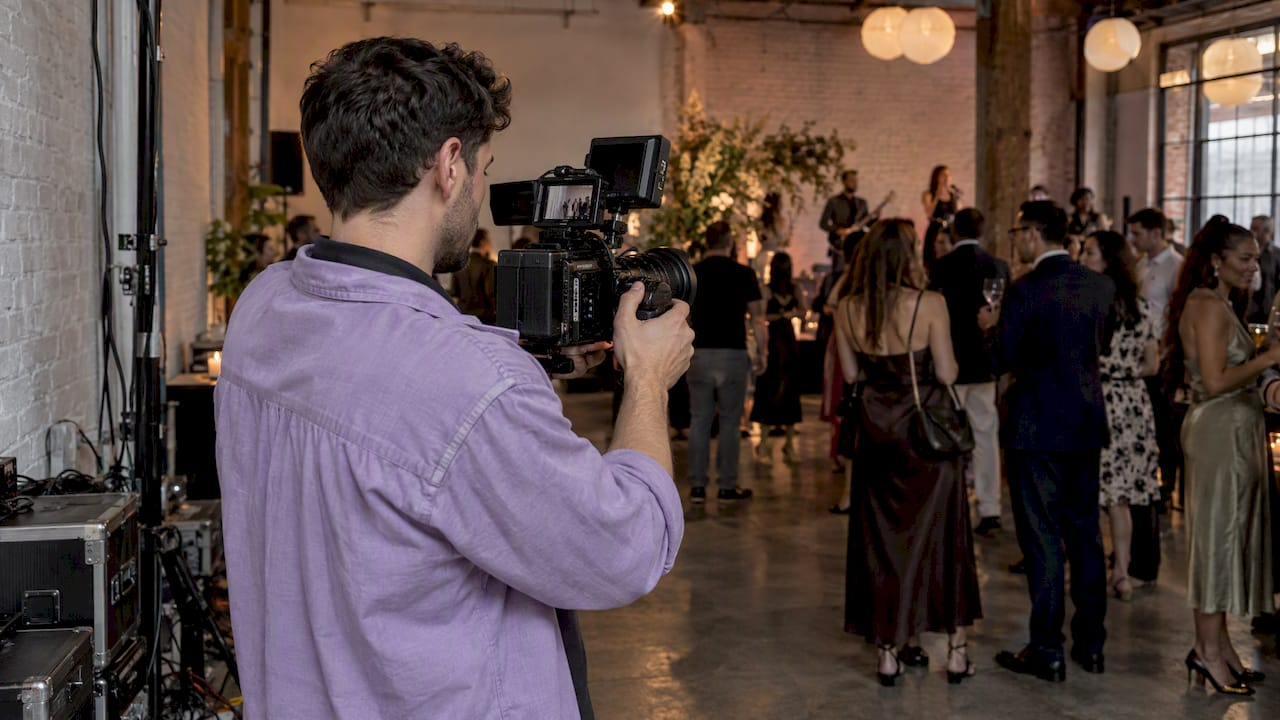
3. Design for content capture. Stage lighting and camera positioning must be synchronized so that photos and video clips are usable as branded assets after the event.
4. Remove before you add. Removing unnecessary signage often strengthens brand impact because attendees are less overwhelmed and the event flow feels more natural.
5. Assign a brand lead on-site. One person should have final authority over brand decisions during setup and the event itself.
Pro Tip: Design your stage and lighting with the post-event content library in mind. Every keynote, panel, and performance is a branded asset. If the lighting is wrong, the footage is unusable.
Designing stages with content capture in mind enables events to create repeatable branded assets for marketing and sales long after the event closes. That multiplies the return on every dollar spent on production.
Strong event branding requires intentional sensory design, omnichannel consistency, and cross-team alignment from the planning stage through post-event content distribution.
| Point | Details |
|---|---|
| Start with brand identity | Define visual, sensory, and messaging elements before choosing any venue or décor. |
| Assign channel roles | Email informs, social media attracts, and on-site signage orients. Never repeat the same message across all three. |
| Use lighting as a branding tool | Lighting tone and color communicate brand personality faster than any logo or sign. |
| Build sustainability in | Zero-waste initiatives and modular rentals signal brand authenticity to attendees and stakeholders. |
| Design for content capture | Synchronize stage lighting and camera angles to generate usable branded assets after the event. |
We have worked with planners across New York City and New Jersey long enough to see a clear pattern. The events that generate the most post-event buzz are never the ones with the most logos. They are the ones where every detail, the lighting color, the music tempo, the furniture layout, felt like it belonged to the same world.
The biggest mistake we see is treating branding as a final layer. Planners lock in the venue, the catering, and the run-of-show, then ask the design team to “add branding” two weeks before the event. That approach produces exactly what you would expect: banners that clash with the room, signage that blocks sightlines, and a brand presence that feels bolted on rather than built in.
Hybrid events have raised the stakes further. When part of your audience is watching on a screen, the physical environment becomes a broadcast set. If the lighting is inconsistent or the stage backdrop is cluttered, the digital audience sees a brand that cannot manage its own presentation. That is a credibility problem, not just an aesthetic one.
The planners who get this right treat branding as infrastructure. They make decisions about flow, light, sound, and material before they make decisions about décor. The result is an event that attendees describe as “feeling right” without being able to explain why. That is the goal.
— PORCCI
Executing strong event branding requires the right equipment, not just the right ideas. Porcci NYC provides AV and sound system rentals in NYC and AV equipment rental in Jersey City to help planners deliver branded experiences that hold up in the room and on camera. From professional lighting rigs that set the right tone to sound systems that carry your brand’s energy across every corner of the venue, we handle the technical side so your focus stays on the experience. Contact Porcci NYC to build a package tailored to your event’s brand goals.
Event branding concepts are the integrated visual, sensory, and messaging strategies that express a brand’s identity throughout an event. They include lighting, sound, layout, signage, and digital touchpoints working together as one cohesive experience.
Use lighting, material choices, sound, and space layout to communicate brand personality. Folding logos into textures and environmental elements creates a natural brand feel without visual clutter.
Each channel reaches attendees at a different moment and serves a different purpose. Email converts, social media attracts, and on-site signage orients. Assigning distinct roles to each channel prevents repetition and keeps the brand message clear.
Zero-waste initiatives, locally sourced materials, and reusable modular elements signal brand authenticity to attendees and stakeholders. In 2026, sustainability choices are read as direct expressions of brand values.
Adding branding as a last step rather than building it into the event’s layout, lighting, and flow from the start. Late-stage branding produces inconsistent results and dilutes the overall brand impression.
Discover powerful event branding concepts that create unforgettable experiences. Transform your event into a compelling brand journey.
TL;DR:
• Effective event branding creates immersive experiences by integrating visual, sensory, and messaging elements throughout the event. Consistent cross-channel communication and atmospheric design reinforce brand identity, while sustainability signals authenticity. Planning branding early and aligning teams prevents last-minute fixes that weaken the overall impression.
Event branding concepts are integrated design and messaging strategies that express a brand’s identity at every touchpoint of an event. The industry term for this practice is experiential brand identity, and it goes far beyond printing a logo on a banner. When done well, event branding transforms a venue into a living expression of what a brand stands for. Porcci NYC works with planners and marketers across New York City and New Jersey who want every detail, from lighting to sound to signage, to tell a consistent story that attendees feel long after they leave.
Event branding concepts are the deliberate choices that shape how attendees perceive and experience a brand throughout an event. They cover visual identity, sensory design, messaging, and the flow of the attendee journey. The goal is not decoration. The goal is immersion. When every element reinforces the same message, attendees stop noticing individual pieces and start feeling the brand as a whole.
Planning event branding must involve early, intentional decisions on flow, layout, and sensory cues rather than last-minute decorative add-ons. That distinction matters because late-stage branding tends to feel patched together. Planners who build brand identity into the venue layout, the lighting plan, and the run-of-show from day one produce events that feel cohesive and purposeful.
Omnichannel integration is the practice of assigning a specific role to each communication channel so the brand message stays clear and consistent. Each channel serves a distinct function: email informs and converts, social media attracts and validates, and on-site signage orients and reassures attendees. Treating all channels the same produces repetitive, forgettable content. Treating each one as a specialized tool produces clarity.
Here is how to assign those roles in practice:
• Email: Send logistical details, registration confirmations, and pre-event brand storytelling to build anticipation.
• Social media: Use short video, branded hashtags, and behind-the-scenes content to generate buzz before and during the event.
• On-site signage: Focus on wayfinding and atmosphere rather than promotional copy. Attendees are already there.
• Event app or website: White-label every touchpoint so the registration flow, agenda pages, and push notifications all carry the same visual identity.
• Post-event content: Repurpose photos, video clips, and speaker highlights to extend brand reach beyond the room.
Pro Tip: Never push the same message across every channel at the same time. Attendees who receive identical content in their inbox, on Instagram, and on a banner at the entrance feel like they are being shouted at, not welcomed.
Consistent cross-platform branding prevents vendor branding from diluting your identity. If your event app defaults to a third-party provider’s color scheme, you lose control of the attendee’s first digital impression. Own every screen they see.
Effective event branding uses atmosphere, texture, lighting, sound, and layout to express brand personality subconsciously rather than overusing logos. That is a significant shift from how most planners think about branding. The instinct is to put the logo everywhere. The result is visual noise that attendees tune out.
Lighting shapes event tone and brand personality more than most planners realize. Sharp, cool-toned lighting signals a modern, tech-forward brand. Warm, diffused lighting signals intimacy and warmth. The same room with different lighting feels like a completely different brand. Porcci NYC’s event lighting services are built around this principle: light is not a utility, it is a branding tool.
Sound works the same way. A curated playlist that matches brand energy sets the emotional tone before a single speaker takes the stage. You can read more about how syncing lighting and sound creates a unified sensory experience for attendees.
Additional sensory design elements that reinforce brand identity include:
• Material choices: Wood and linen signal warmth and craft. Metal and glass signal precision and modernity.
• Space layout: Open floor plans encourage networking and signal accessibility. Defined zones signal exclusivity and curation.
• Environmental storytelling: Use props, printed materials, and furniture to reinforce the brand narrative without a single logo in sight.
• Layered logo integration: Fold logos into textures and materials rather than isolating them on standalone signs.
Pro Tip: Walk the venue as an attendee before the event opens. If the first thing you notice is a logo rather than a feeling, the branding is working against you.
Transforming event spaces to reflect brand values through thematic world-building turns attendees into active participants rather than passive observers. That shift from observer to participant is where brand loyalty is built.
Sustainability is a core brand pillar in 2026 event planning, not an optional add-on. Locally sourced materials, zero-waste initiatives, and efficient production workflows communicate brand values as clearly as any visual element. Attendees and stakeholders now read sustainability choices as signals of authenticity. A brand that claims to care about the environment but ships in single-use plastic décor sends a contradictory message.
Practical sustainability strategies for event planners include:
• Modular stage elements: Reusable structures reduce waste and cut production costs across multiple events.
• Digital-first collateral: Replace printed programs and signage with QR codes and event apps.
• Local vendor partnerships: Sourcing catering, florals, and rentals locally reduces carbon footprint and supports the brand’s community story.
• Zero-waste stations: Clearly labeled recycling and composting stations signal commitment without requiring a single word of explanation.
Porcci NYC’s approach to sustainable event rentals reflects this shift. Reusable equipment, efficient delivery logistics, and modular setups reduce waste while keeping production quality high.
Consistent brand execution requires internal alignment across production, marketing, and logistics teams. Without it, on-site branding becomes inconsistent and the attendee experience suffers. The fix is straightforward: shared style guides and regular cross-team communication before and during the event.
Follow these steps to keep execution tight:
1. Distribute a brand style guide early. Every team member, from the AV crew to the catering staff, should know the approved colors, fonts, and tone of voice.
2. Hold a pre-event walkthrough. Walk every team through the venue layout and identify where brand elements appear, and where they should not.
3. Design for content capture. Stage lighting and camera positioning must be synchronized so that photos and video clips are usable as branded assets after the event.
4. Remove before you add. Removing unnecessary signage often strengthens brand impact because attendees are less overwhelmed and the event flow feels more natural.
5. Assign a brand lead on-site. One person should have final authority over brand decisions during setup and the event itself.
Pro Tip: Design your stage and lighting with the post-event content library in mind. Every keynote, panel, and performance is a branded asset. If the lighting is wrong, the footage is unusable.
Designing stages with content capture in mind enables events to create repeatable branded assets for marketing and sales long after the event closes. That multiplies the return on every dollar spent on production.
Strong event branding requires intentional sensory design, omnichannel consistency, and cross-team alignment from the planning stage through post-event content distribution.
| Point | Details |
|---|---|
| Start with brand identity | Define visual, sensory, and messaging elements before choosing any venue or décor. |
| Assign channel roles | Email informs, social media attracts, and on-site signage orients. Never repeat the same message across all three. |
| Use lighting as a branding tool | Lighting tone and color communicate brand personality faster than any logo or sign. |
| Build sustainability in | Zero-waste initiatives and modular rentals signal brand authenticity to attendees and stakeholders. |
| Design for content capture | Synchronize stage lighting and camera angles to generate usable branded assets after the event. |
We have worked with planners across New York City and New Jersey long enough to see a clear pattern. The events that generate the most post-event buzz are never the ones with the most logos. They are the ones where every detail, the lighting color, the music tempo, the furniture layout, felt like it belonged to the same world.
The biggest mistake we see is treating branding as a final layer. Planners lock in the venue, the catering, and the run-of-show, then ask the design team to “add branding” two weeks before the event. That approach produces exactly what you would expect: banners that clash with the room, signage that blocks sightlines, and a brand presence that feels bolted on rather than built in.
Hybrid events have raised the stakes further. When part of your audience is watching on a screen, the physical environment becomes a broadcast set. If the lighting is inconsistent or the stage backdrop is cluttered, the digital audience sees a brand that cannot manage its own presentation. That is a credibility problem, not just an aesthetic one.
The planners who get this right treat branding as infrastructure. They make decisions about flow, light, sound, and material before they make decisions about décor. The result is an event that attendees describe as “feeling right” without being able to explain why. That is the goal.
— PORCCI
Executing strong event branding requires the right equipment, not just the right ideas. Porcci NYC provides AV and sound system rentals in NYC and AV equipment rental in Jersey City to help planners deliver branded experiences that hold up in the room and on camera. From professional lighting rigs that set the right tone to sound systems that carry your brand’s energy across every corner of the venue, we handle the technical side so your focus stays on the experience. Contact Porcci NYC to build a package tailored to your event’s brand goals.
Event branding concepts are the integrated visual, sensory, and messaging strategies that express a brand’s identity throughout an event. They include lighting, sound, layout, signage, and digital touchpoints working together as one cohesive experience.
Use lighting, material choices, sound, and space layout to communicate brand personality. Folding logos into textures and environmental elements creates a natural brand feel without visual clutter.
Each channel reaches attendees at a different moment and serves a different purpose. Email converts, social media attracts, and on-site signage orients. Assigning distinct roles to each channel prevents repetition and keeps the brand message clear.
Zero-waste initiatives, locally sourced materials, and reusable modular elements signal brand authenticity to attendees and stakeholders. In 2026, sustainability choices are read as direct expressions of brand values.
Adding branding as a last step rather than building it into the event’s layout, lighting, and flow from the start. Late-stage branding produces inconsistent results and dilutes the overall brand impression.