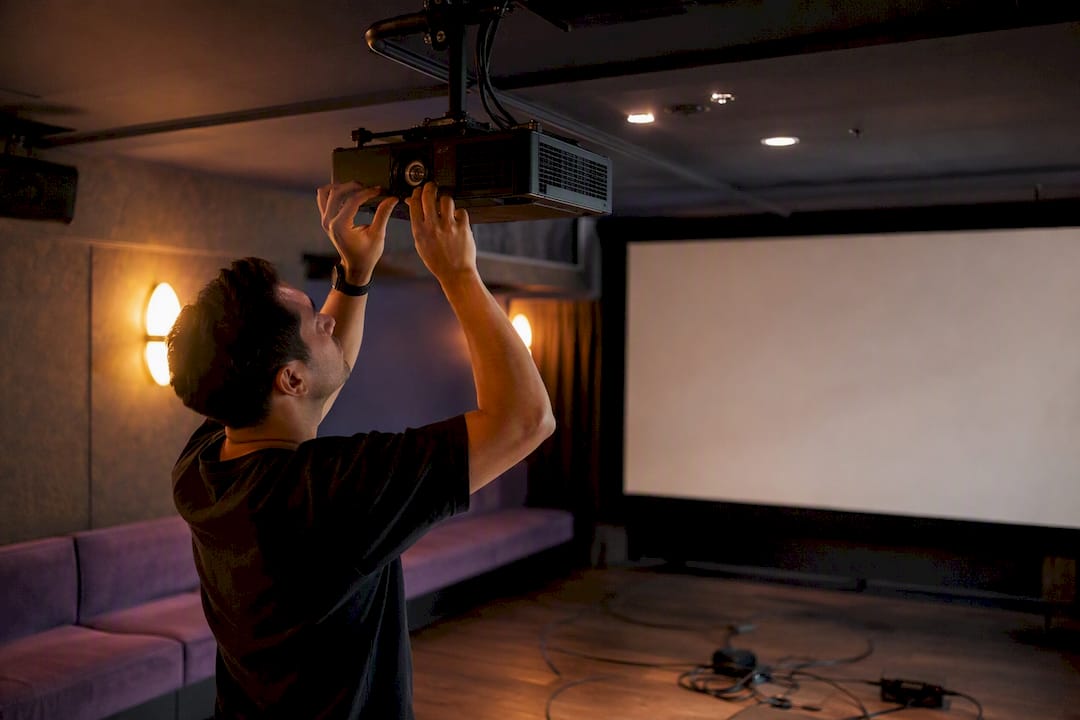
Confused by event planning jargon in NYC and NJ? Learn the essential terms from BEO to benchmarking and plan your next event with clarity and confidence.
TL;DR:
• Mastering event planning terminology is essential for smooth coordination and successful NYC/NJ events.
• Understanding logistics, sustainability, and evaluation terms helps prevent miscommunication and ensures compliance.
• Knowing industry language enhances vendor relationships and boosts confidence in executing complex events.
Event planning jargon can stop even the most organized person in their tracks. Terms like BEO, load-in, waste diversion, and benchmarking show up in venue contracts and vendor checklists before you’ve even confirmed a date. In a market as complex as New York City and New Jersey, where union rules, sustainability permits, and tight venue logistics shape every decision, knowing the language of event planning is not optional. It’s the difference between a smooth event and a costly miscommunication. This guide breaks down the most essential terminology so you can plan with confidence.
• Core event planning stages: Essential terminology decoded
• Logistics & operational terms: What NYC and NJ planners must know
• Sustainability terminology: Meeting NYC’s green event standards
• Benchmarking, checklists, and evaluation: Terms for continuous improvement
• Why local event success hinges on mastering the right terminology
• Ready to plan with confidence? Get expert support
| Point | Details |
|---|---|
| Understand planning stages | Knowing terms for each event planning stage brings structure and reduces confusion. |
| Master logistics lingo | Recognizing common contracts and venue terms prevents costly miscommunications. |
| Adopt sustainability vocabulary | Using the right green event terms ensures compliance with NYC/NJ standards. |
| Leverage benchmarking | Incorporating evaluation and benchmarking boosts future event outcomes. |
| Speak the language of success | Confident use of terminology sets you apart as an NYC/NJ event pro. |
Before diving into specialized or sustainability terms, let’s clarify the core language every event planner in NYC and NJ should know. Five critical stages structure every successful event: planning the event, event marketing, event day management, event logistics, and event evaluation. Each stage has its own vocabulary, and knowing these terms helps you move through the process without confusion.
Here’s how each stage plays out in practice:
1. Planning the event: This is where your vision, budget, and timeline take shape. In NYC, this often means securing permits weeks in advance and confirming venue availability.
2. Event marketing: The strategy for promoting your event to the right audience, whether that’s through email, social media, or physical invitations.
3. Event day management: Overseeing all moving parts on the actual day, from vendor arrivals to guest flow.
4. Event logistics: The coordination of physical details like equipment delivery, setup, and breakdown. In a Manhattan venue, this can mean navigating freight elevators, load-in windows, and building rules.
5. Event evaluation: A post-event review to measure what worked and what didn’t. This step is often skipped, but it’s one of the most valuable.
| Stage | Definition | NYC/NJ application |
|---|---|---|
| Planning | Setting goals, budget, and timeline | Securing permits, booking vendors early |
| Logistics | Coordinating physical setup and flow | Load-in schedules, freight access, AV setup |
| Evaluation | Reviewing outcomes and feedback | Improving future vendor choices and layouts |
For a full breakdown of how these stages connect to your rental decisions, the NYC/NJ step-by-step rental guide is a practical starting point.
Pro Tip: Never skip the evaluation stage. Gathering feedback from guests and vendors after each event gives you data that makes your next event noticeably better.
Once you’ve got the big-picture stages down, everyday logistics terms come into play at every step. These are the words you’ll see in contracts, checklists, and vendor conversations, and misunderstanding even one can throw off your entire timeline.
Here are the must-know logistics terms:
• BEO (Banquet Event Order): A formal document from the venue that outlines every detail of your event, from menu items to setup times. Think of it as your official contract with the venue.
• Load-in/load-out: The scheduled windows when vendors and equipment can enter or exit the venue. Many NYC venues have strict time limits here.
• Vendor coordination: The process of managing multiple service providers so they don’t conflict with each other on the event day.
• AV setup: The installation and testing of audio and visual equipment. The sound system importance cannot be overstated for guest experience.
• Contingency planning: A backup plan for anything that might go wrong, like a rain plan for an outdoor NJ event.
NYC reminder: Many large Manhattan venues require union labor for load-in and setup. Always ask your venue contact if union rules apply before booking your equipment vendors.
You’ll also encounter documents like vendor order forms and event signage plans. Staying current on signage trends for events can help you make better design decisions for directional and branding elements. Local checklists and logistics guidance are critical for event planners working in NYC and NJ, and ignoring them can create compliance issues. For a complete look at what gear you need, the NYC/NJ event equipment essentials list is a reliable reference.

Pro Tip: Always ask venues upfront whether they have an “exclusive vendor” policy. Some venues require you to use their in-house AV or catering, which can affect your budget significantly.
With logistics covered, more planners are now expected to understand sustainability vocabulary, especially in NYC. Green event terms appear on permit applications, city guidance documents, and increasingly in venue contracts.
Here are the key sustainability terms to know:
• Measurable goals: Specific, trackable targets for your event’s environmental impact, such as reducing single-use plastics by a set percentage.
• Waste diversion: Redirecting event waste away from landfills through recycling, composting, or donation programs.
• Emissions tracking: Recording the carbon output of your event, including transportation and energy use.
• Energy use: Total power consumed during your event, which NYC guidance now asks planners to document.
• Eco-compliance: Meeting all local environmental rules and permit conditions related to your event.
NYC event-planning guidance requires measurable sustainability goals, and terms like waste diversion and carbon tracking appear directly in city checklists. These are not suggestions. They are expectations for permitted events in NYC.
| Standard event term | Sustainability-compliant equivalent | NYC example |
|---|---|---|
| Trash plan | Waste diversion strategy | Composting stations at Central Park events |
| Power usage | Energy tracking | Documenting generator fuel consumption |
| General cleanup | Eco-compliance review | Post-event sustainability checklist sign-off |
Use the NYC event planning checklist to build sustainability requirements into your planning from the very beginning, not as an afterthought.
Lastly, a well-informed planner always focuses on improvement. Let’s break down the terms that help with that.
• Benchmarking: Learning from what other organizations did to identify best practices for your own events. It means comparing your results to industry standards or similar past events.
• Best practice: A method that has consistently produced strong results and is widely recognized in the industry.
• Post-event evaluation: A structured review after your event to assess what worked, what failed, and what to change.
• Checklist-driven planning: Using detailed checklists to ensure no step is missed, from permits to vendor confirmations.
Here’s how to apply these tools in NYC/NJ event planning:
1. After each event, document what went well and what didn’t, focusing on vendor performance, guest satisfaction, and logistics timing.
2. Compare your outcomes against similar events using event workflow benchmarking resources for reference.
3. Update your checklists based on findings before your next event, so each one builds on the last.
4. Use feedback from guests and vendors to set measurable goals for future events.
5. Watch for patterns across multiple events to identify your consistent strengths and recurring gaps.
Knowing how to identify rental red flags is part of this improvement process. Many common vendor issues become predictable once you start benchmarking.
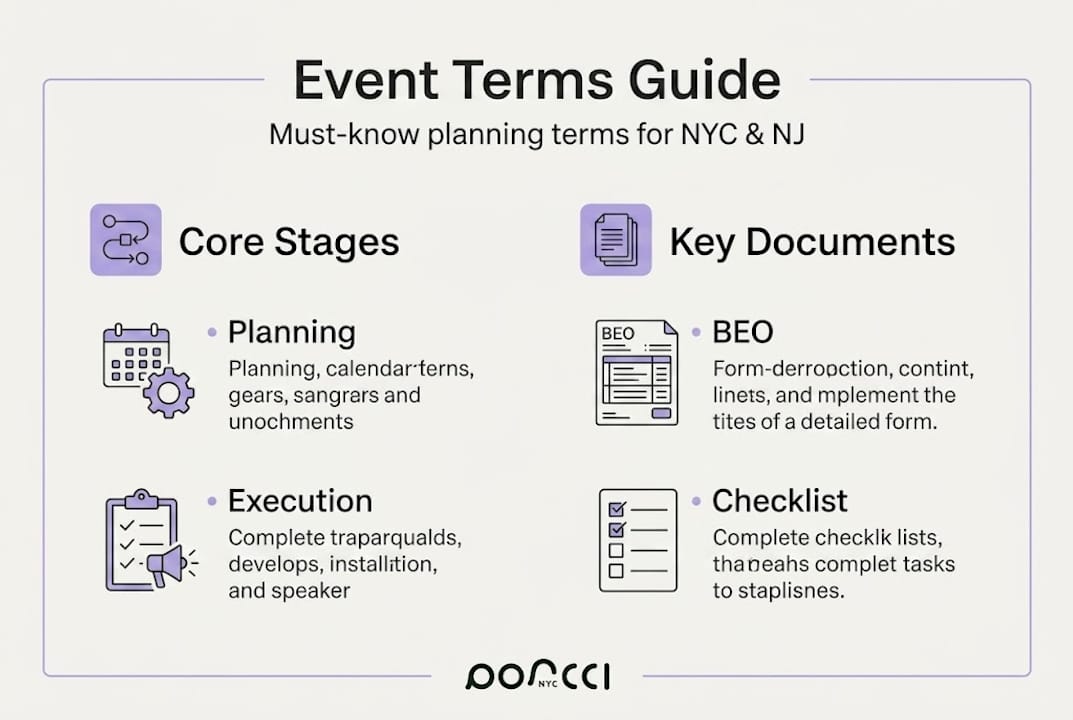
Pro Tip: NYC’s sustainability guides include ready-to-use checklist templates. Borrow and adapt them for all your events, not just those requiring green permits.
Armed with all these terms, let’s talk frankly about why this knowledge truly sets apart successful NYC/NJ events. Most delays, budget overruns, and venue conflicts we’ve seen trace directly back to one root cause: a planner and a vendor weren’t using the same language. When you don’t know what a BEO is, you can’t catch errors before the event day. When sustainability terms are unfamiliar, you risk permit rejections.
Mastering this vocabulary closes the gap between your vision and actual execution. It also positions you as a credible partner. Vendors and venues give better attention and cooperation to planners who speak their language. Knowing the factors in equipment rental and the broader planning vocabulary puts you in control of every conversation, every contract, and every outcome.
With a clear grip on event planning language, here’s how to move from theory to action with confidence. At Porcci NYC, we work with planners across New York City and New Jersey every day, and we speak this language fluently. Whether you need NYC event planning experts to guide your next corporate gathering or a streamlined NYC event booking process to lock in your rentals quickly, we make the process clear and manageable. Looking to add a crowd-pleasing element? Our NYC photo booth rental options pair perfectly with any event style. Let us handle the details so your focus stays on the fun.
A BEO is a logistics document from your venue that details every operational requirement for your event, ensuring both sides agree on setup, timing, and services before the event day.
NYC event-planning guidance commonly references measurable sustainability goals, waste diversion targets, carbon tracking, and checklist-based compliance as standard permit requirements.
Benchmarking lets planners measure their results against proven standards, helping them identify exactly where to improve vendor selection, logistics timing, and guest experience for future events.
Using the right terms signals to vendors and venues that you’re a prepared, professional partner, which often leads to better cooperation, clearer contracts, and fewer costly surprises.
A sustainability checklist confirms that green practices are planned, tracked, and documented, and NYC now requires this for many permitted events to ensure consistent environmental accountability across public and private gatherings.
Confused by event planning jargon in NYC and NJ? Learn the essential terms from BEO to benchmarking and plan your next event with clarity and confidence.
TL;DR:
• Mastering event planning terminology is essential for smooth coordination and successful NYC/NJ events.
• Understanding logistics, sustainability, and evaluation terms helps prevent miscommunication and ensures compliance.
• Knowing industry language enhances vendor relationships and boosts confidence in executing complex events.
Event planning jargon can stop even the most organized person in their tracks. Terms like BEO, load-in, waste diversion, and benchmarking show up in venue contracts and vendor checklists before you’ve even confirmed a date. In a market as complex as New York City and New Jersey, where union rules, sustainability permits, and tight venue logistics shape every decision, knowing the language of event planning is not optional. It’s the difference between a smooth event and a costly miscommunication. This guide breaks down the most essential terminology so you can plan with confidence.
• Core event planning stages: Essential terminology decoded
• Logistics & operational terms: What NYC and NJ planners must know
• Sustainability terminology: Meeting NYC’s green event standards
• Benchmarking, checklists, and evaluation: Terms for continuous improvement
• Why local event success hinges on mastering the right terminology
• Ready to plan with confidence? Get expert support
| Point | Details |
|---|---|
| Understand planning stages | Knowing terms for each event planning stage brings structure and reduces confusion. |
| Master logistics lingo | Recognizing common contracts and venue terms prevents costly miscommunications. |
| Adopt sustainability vocabulary | Using the right green event terms ensures compliance with NYC/NJ standards. |
| Leverage benchmarking | Incorporating evaluation and benchmarking boosts future event outcomes. |
| Speak the language of success | Confident use of terminology sets you apart as an NYC/NJ event pro. |
Before diving into specialized or sustainability terms, let’s clarify the core language every event planner in NYC and NJ should know. Five critical stages structure every successful event: planning the event, event marketing, event day management, event logistics, and event evaluation. Each stage has its own vocabulary, and knowing these terms helps you move through the process without confusion.
Here’s how each stage plays out in practice:
1. Planning the event: This is where your vision, budget, and timeline take shape. In NYC, this often means securing permits weeks in advance and confirming venue availability.
2. Event marketing: The strategy for promoting your event to the right audience, whether that’s through email, social media, or physical invitations.
3. Event day management: Overseeing all moving parts on the actual day, from vendor arrivals to guest flow.
4. Event logistics: The coordination of physical details like equipment delivery, setup, and breakdown. In a Manhattan venue, this can mean navigating freight elevators, load-in windows, and building rules.
5. Event evaluation: A post-event review to measure what worked and what didn’t. This step is often skipped, but it’s one of the most valuable.
| Stage | Definition | NYC/NJ application |
|---|---|---|
| Planning | Setting goals, budget, and timeline | Securing permits, booking vendors early |
| Logistics | Coordinating physical setup and flow | Load-in schedules, freight access, AV setup |
| Evaluation | Reviewing outcomes and feedback | Improving future vendor choices and layouts |
For a full breakdown of how these stages connect to your rental decisions, the NYC/NJ step-by-step rental guide is a practical starting point.
Pro Tip: Never skip the evaluation stage. Gathering feedback from guests and vendors after each event gives you data that makes your next event noticeably better.
Once you’ve got the big-picture stages down, everyday logistics terms come into play at every step. These are the words you’ll see in contracts, checklists, and vendor conversations, and misunderstanding even one can throw off your entire timeline.
Here are the must-know logistics terms:
• BEO (Banquet Event Order): A formal document from the venue that outlines every detail of your event, from menu items to setup times. Think of it as your official contract with the venue.
• Load-in/load-out: The scheduled windows when vendors and equipment can enter or exit the venue. Many NYC venues have strict time limits here.
• Vendor coordination: The process of managing multiple service providers so they don’t conflict with each other on the event day.
• AV setup: The installation and testing of audio and visual equipment. The sound system importance cannot be overstated for guest experience.
• Contingency planning: A backup plan for anything that might go wrong, like a rain plan for an outdoor NJ event.
NYC reminder: Many large Manhattan venues require union labor for load-in and setup. Always ask your venue contact if union rules apply before booking your equipment vendors.
You’ll also encounter documents like vendor order forms and event signage plans. Staying current on signage trends for events can help you make better design decisions for directional and branding elements. Local checklists and logistics guidance are critical for event planners working in NYC and NJ, and ignoring them can create compliance issues. For a complete look at what gear you need, the NYC/NJ event equipment essentials list is a reliable reference.
Pro Tip: Always ask venues upfront whether they have an “exclusive vendor” policy. Some venues require you to use their in-house AV or catering, which can affect your budget significantly.
With logistics covered, more planners are now expected to understand sustainability vocabulary, especially in NYC. Green event terms appear on permit applications, city guidance documents, and increasingly in venue contracts.
Here are the key sustainability terms to know:
• Measurable goals: Specific, trackable targets for your event’s environmental impact, such as reducing single-use plastics by a set percentage.
• Waste diversion: Redirecting event waste away from landfills through recycling, composting, or donation programs.
• Emissions tracking: Recording the carbon output of your event, including transportation and energy use.
• Energy use: Total power consumed during your event, which NYC guidance now asks planners to document.
• Eco-compliance: Meeting all local environmental rules and permit conditions related to your event.
NYC event-planning guidance requires measurable sustainability goals, and terms like waste diversion and carbon tracking appear directly in city checklists. These are not suggestions. They are expectations for permitted events in NYC.
| Standard event term | Sustainability-compliant equivalent | NYC example |
|---|---|---|
| Trash plan | Waste diversion strategy | Composting stations at Central Park events |
| Power usage | Energy tracking | Documenting generator fuel consumption |
| General cleanup | Eco-compliance review | Post-event sustainability checklist sign-off |
Use the NYC event planning checklist to build sustainability requirements into your planning from the very beginning, not as an afterthought.
Lastly, a well-informed planner always focuses on improvement. Let’s break down the terms that help with that.
• Benchmarking: Learning from what other organizations did to identify best practices for your own events. It means comparing your results to industry standards or similar past events.
• Best practice: A method that has consistently produced strong results and is widely recognized in the industry.
• Post-event evaluation: A structured review after your event to assess what worked, what failed, and what to change.
• Checklist-driven planning: Using detailed checklists to ensure no step is missed, from permits to vendor confirmations.
Here’s how to apply these tools in NYC/NJ event planning:
1. After each event, document what went well and what didn’t, focusing on vendor performance, guest satisfaction, and logistics timing.
2. Compare your outcomes against similar events using event workflow benchmarking resources for reference.
3. Update your checklists based on findings before your next event, so each one builds on the last.
4. Use feedback from guests and vendors to set measurable goals for future events.
5. Watch for patterns across multiple events to identify your consistent strengths and recurring gaps.
Knowing how to identify rental red flags is part of this improvement process. Many common vendor issues become predictable once you start benchmarking.
Pro Tip: NYC’s sustainability guides include ready-to-use checklist templates. Borrow and adapt them for all your events, not just those requiring green permits.
Armed with all these terms, let’s talk frankly about why this knowledge truly sets apart successful NYC/NJ events. Most delays, budget overruns, and venue conflicts we’ve seen trace directly back to one root cause: a planner and a vendor weren’t using the same language. When you don’t know what a BEO is, you can’t catch errors before the event day. When sustainability terms are unfamiliar, you risk permit rejections.
Mastering this vocabulary closes the gap between your vision and actual execution. It also positions you as a credible partner. Vendors and venues give better attention and cooperation to planners who speak their language. Knowing the factors in equipment rental and the broader planning vocabulary puts you in control of every conversation, every contract, and every outcome.
With a clear grip on event planning language, here’s how to move from theory to action with confidence. At Porcci NYC, we work with planners across New York City and New Jersey every day, and we speak this language fluently. Whether you need NYC event planning experts to guide your next corporate gathering or a streamlined NYC event booking process to lock in your rentals quickly, we make the process clear and manageable. Looking to add a crowd-pleasing element? Our NYC photo booth rental options pair perfectly with any event style. Let us handle the details so your focus stays on the fun.
A BEO is a logistics document from your venue that details every operational requirement for your event, ensuring both sides agree on setup, timing, and services before the event day.
NYC event-planning guidance commonly references measurable sustainability goals, waste diversion targets, carbon tracking, and checklist-based compliance as standard permit requirements.
Benchmarking lets planners measure their results against proven standards, helping them identify exactly where to improve vendor selection, logistics timing, and guest experience for future events.
Using the right terms signals to vendors and venues that you’re a prepared, professional partner, which often leads to better cooperation, clearer contracts, and fewer costly surprises.
A sustainability checklist confirms that green practices are planned, tracked, and documented, and NYC now requires this for many permitted events to ensure consistent environmental accountability across public and private gatherings.