Create unforgettable events with our ultimate event planning checklist for 2026. Stay organized, avoid stress, and impress your guests!
TL;DR:
• Planning an event without a checklist leads to wasted time, missed turns, and unnecessary stress. A detailed, chronological plan from initial decisions to vendor payments ensures smooth coordination and successful execution. Building in buffers, confirming logistics, and prioritizing communication are key to avoiding common pitfalls.
Planning an event without a structured event planning checklist is like driving without directions. You might eventually get there, but you will waste time, miss turns, and arrive more stressed than you need to be. Whether you are organizing a wedding, a corporate gala, or a neighborhood celebration, the difference between a forgettable event and a standout one almost always comes down to preparation. This guide walks you through every phase, from the first decision you make to the last vendor payment you settle.
• 1. Define your event goals and audience
• 2. Set a realistic budget with clear categories
• 3. Choose your date with conflicts in mind
• 4. Book major vendors in the right order
• 5. Handle permits, insurance, and legal compliance
• 6. Build in accessibility from the start
• 7. Develop your contingency and safety plan
• 8. Coordinate vendors and confirm logistics
• 9. Execute your 48-hour and day-of checklist
• 10. Choose the right checklist format and tools
• My honest take on event planning checklists
• Let Porccinyc handle the hardest parts of your checklist
• FAQ
| Point | Details |
|---|---|
| Start earlier than you think | Book your venue and top vendors 12 to 18 months out for peak seasons to lock in availability and budget. |
| Sequence decisions chronologically | Budget before venue, venue before vendors. The order prevents costly rescheduling and missed windows. |
| Vendor briefing at 48 hours | Send one consolidated document to all vendors 48 hours before the event to prevent day-of confusion. |
| Build 15-minute buffers | Running 15 minutes ahead of your timeline gives you room to absorb delays without guests noticing. |
| Accessibility is non-negotiable | ADA compliance covers temporary structures too, not just the permanent features of your venue. |
Every strong event planning checklist starts here. Before you book anything or spend a dollar, write down exactly what success looks like. Are you celebrating a milestone, closing a deal, thanking employees, or raising funds? The event’s purpose shapes every decision that follows.
Define your audience size, age range, and any special needs. A corporate event for 200 professionals needs different logistics than a quinceañera for 80 guests. Getting this clarity upfront prevents costly course corrections later.
Break your budget into buckets before you start pricing anything out. Typical categories include venue, catering, entertainment, AV and lighting, staffing, décor, transportation, and permits. Reserve 10 to 15 percent as a contingency fund. Surprises happen, and having that cushion keeps you in control.

Assign a maximum spend to each category before you get vendor quotes. When you know your ceiling, negotiations are cleaner and you avoid scope creep.
Check for competing events, holidays, and seasonal considerations before locking in your date. A Saturday in October in New York is peak season for both weddings and corporate retreats. Local sporting events, school calendars, and venue availability all factor in.
For peak-season events, booking your venue 12 to 18 months in advance secures roughly 80 percent of your logistical foundation. That single decision triggers everything else.
This is where chronological sequencing of your checklist tasks prevents planning failures. The recommended booking windows for 2026 are:
• Venue: 12 to 18 months out
• Event planner: 12 to 15 months out
• Photo and video: 10 to 16 months out
• Caterer: 9 to 14 months out
• Florist or décor: 8 to 12 months out
• Entertainment (DJ, photo booth, AV): 6 to 10 months out
Think of these decisions as dominoes. Your venue determines your layout, which determines your AV needs, which determines your entertainment setup. Book out of order and you create conflicts you cannot resolve cheaply.
Pro Tip: When you book entertainment and AV early, you get better pricing and first pick of equipment. Waiting until two months out means settling for what is left.
Do not skip this step. Depending on your event type and location, you may need a temporary food service permit, a noise permit, a liquor license, or public gathering authorization. In NYC and New Jersey, permit timelines vary by borough and municipality, so start this process at least three months before your event date.
Event liability insurance protects you from property damage or guest injury claims. Most venues now require proof of coverage before signing contracts. This is a line item in your budget, not an afterthought.
ADA compliance covers temporary structures and pathways, not just the permanent features of your venue. That means temporary ramps, accessible seating, and clear routes from parking to the main event space all fall on you to verify.
Your registration forms must be screen-reader compatible, with tap targets of at least 44x44 pixels and a clear accessibility statement. ASL interpreters and captioning services must be offered without extra charges. Building accessibility in early costs far less than retrofitting it under pressure.
Pro Tip: Walk the venue route from the parking area to the main space as if you were using a wheelchair. You will spot every gap your vendor contracts failed to address.
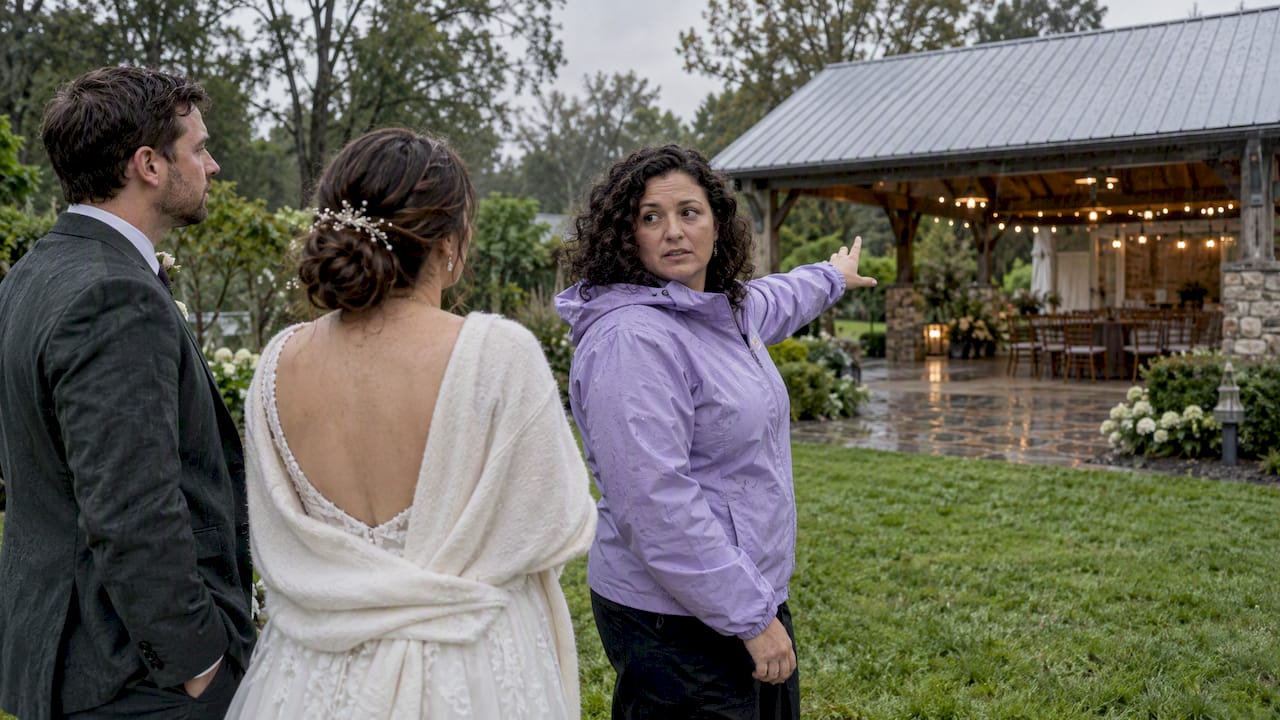
For outdoor events, your safety plan needs clear escalation triggers assigned to decision-makers. Lightning within 10 miles triggers evacuation. Sustained winds over 35 mph mean the stage comes down. A flash flood warning means sheltering in place.
A solid safety plan also requires layered security protocols with mapped perimeters and a designated Incident Commander. This is not a generic checklist item. It is a living strategy built around your specific venue and guest profile.
Coordination failures remain the leading cause of event shortcomings. Vendors with consistent, documented processes are more valuable than low-priced ones. When vetting suppliers, ask specifically how they handle late arrivals, equipment failures, or staffing shortages.
For help managing rental company coordination, create a master vendor contact sheet that lists each supplier’s arrival window, point of contact, setup requirements, and payment terms. Share it across your planning team so no one is chasing information on event day.
This is where your event planning checklist does its heaviest lifting. Here is how we break it down:
48 hours before:
1. Send one consolidated briefing document to all vendors with arrival times, load-in instructions, and your primary contact’s phone number
2. Confirm final headcount with caterer and adjust rentals accordingly
3. Distribute the event timeline to every team member and vendor
Morning of the event:
1. Complete a full site walkthrough before any guests arrive
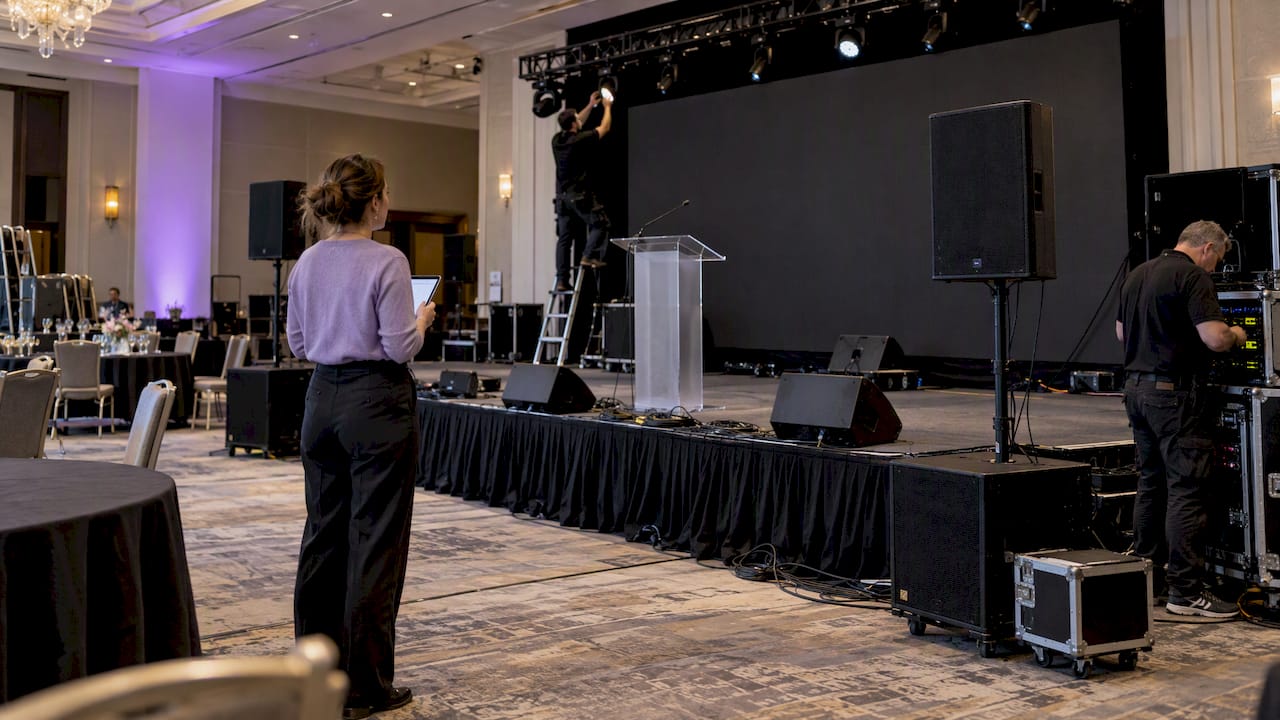
2. Run a technical check on all AV, microphones, and lighting
3. Brief your on-site team with a 15-minute standup meeting
During the event:
1. Stay 15 minutes ahead of every scheduled milestone to absorb delays without disruption
2. Manage transitions between program segments quietly and efficiently
3. Assign one person to monitor the timeline exclusively
Post-event:
1. Supervise vendor breakdown and collect all rented equipment
2. Walk the venue for lost items before releasing the space
3. Settle final payments and document any issues in writing
The 48-hour vendor briefing is the single most underused step in event planning. One consolidated document prevents the dozen phone calls that otherwise happen between 7 and 9 a.m. on event day.
Pro Tip: Pack an event kit with tape, scissors, extension cords, batteries, phone chargers, pens, and safety pins. A well-stocked kit prevents the small emergencies that become big distractions.
A chronological checklist outperforms a category-based one for most events. Category lists group tasks by type (catering, entertainment, venue), which feels organized but masks timing gaps. Chronological lists force you to confront decision dependencies, which is the only way to catch what you have missed.
| Tool | Best for | Standout feature |
|---|---|---|
| Asana | Teams coordinating multiple vendors | Task assignments with deadlines |
| Trello | Visual, board-style planning | Drag-and-drop card movement |
| Google Sheets | Budget tracking and simple timelines | Real-time collaboration |
| Notion | All-in-one planning docs | Customizable templates |
| Planning Pod | Professional event managers | Built-in floor plan tools |
For audio visual planning, we recommend keeping a separate technical checklist that covers power requirements, cable runs, microphone counts, and backup equipment. This detail gets lost in general planning tools.
I have seen beautifully creative events fall apart because the run-of-show was 10 minutes behind from the start and no one was empowered to fix it. And I have seen modest, lower-budget events run so smoothly that guests assumed a full production company was behind them. The difference was always the coordinator with a tight checklist and the authority to use it.
The thing most planners underestimate is communication. Your checklist is only as good as the number of people who actually read it and own their piece of it. I have learned that distributing a timeline is not enough. Walking vendors through it, confirming they understand their cues, and designating a single on-site decision-maker are what close the gap between plan and reality.
My honest advice: spend less time on the décor Pinterest board and more time building out your vendor communication documents. The flowers will be beautiful regardless. The event flow depends entirely on coordination, and that is the part that guests feel most.
— PORCCI
Checking off every item on a detailed event planning guide takes real time and experience. That is exactly what the Porccinyc team is built for. We offer professional event planning services in NYC and New Jersey that cover the logistics most planners find most stressful, from vendor coordination to full event-day staffing.
Need AV and sound equipment without the headache of sourcing and setup? We handle delivery, installation, and breakdown. Looking for DJ services, photo booths, or karaoke systems that show up tested and ready? We have curated packages for events of every size.
Reach out for a custom quote and let us take the operational weight off your plate so your focus stays where it belongs. On your guests, your program, and the moment you have been working toward.
For peak-season events, start your checklist 12 to 18 months out to secure your venue and top vendors before availability closes. Smaller events with flexible dates can often work within a three to six month window.
The 48-hour vendor briefing and the 15-minute timeline buffer are the two highest-impact items. Together they prevent the coordination failures that derail otherwise well-planned events.
Yes. Temporary structures and pathways at events must meet ADA standards, including accessible routes, seating, and ramps, regardless of whether the venue is permanent.
Chronological tools like Asana or Notion work best because they surface task dependencies. Google Sheets remains a strong option for budget tracking and real-time team collaboration without a learning curve.
Assign specific escalation triggers to named decision-makers before the event. For outdoor events, that means pre-set actions for conditions like high winds, lightning, or flooding, not decisions made under pressure on the day.
Create unforgettable events with our ultimate event planning checklist for 2026. Stay organized, avoid stress, and impress your guests!
TL;DR:
• Planning an event without a checklist leads to wasted time, missed turns, and unnecessary stress. A detailed, chronological plan from initial decisions to vendor payments ensures smooth coordination and successful execution. Building in buffers, confirming logistics, and prioritizing communication are key to avoiding common pitfalls.
Planning an event without a structured event planning checklist is like driving without directions. You might eventually get there, but you will waste time, miss turns, and arrive more stressed than you need to be. Whether you are organizing a wedding, a corporate gala, or a neighborhood celebration, the difference between a forgettable event and a standout one almost always comes down to preparation. This guide walks you through every phase, from the first decision you make to the last vendor payment you settle.
• 1. Define your event goals and audience
• 2. Set a realistic budget with clear categories
• 3. Choose your date with conflicts in mind
• 4. Book major vendors in the right order
• 5. Handle permits, insurance, and legal compliance
• 6. Build in accessibility from the start
• 7. Develop your contingency and safety plan
• 8. Coordinate vendors and confirm logistics
• 9. Execute your 48-hour and day-of checklist
• 10. Choose the right checklist format and tools
• My honest take on event planning checklists
• Let Porccinyc handle the hardest parts of your checklist
• FAQ
| Point | Details |
|---|---|
| Start earlier than you think | Book your venue and top vendors 12 to 18 months out for peak seasons to lock in availability and budget. |
| Sequence decisions chronologically | Budget before venue, venue before vendors. The order prevents costly rescheduling and missed windows. |
| Vendor briefing at 48 hours | Send one consolidated document to all vendors 48 hours before the event to prevent day-of confusion. |
| Build 15-minute buffers | Running 15 minutes ahead of your timeline gives you room to absorb delays without guests noticing. |
| Accessibility is non-negotiable | ADA compliance covers temporary structures too, not just the permanent features of your venue. |
Every strong event planning checklist starts here. Before you book anything or spend a dollar, write down exactly what success looks like. Are you celebrating a milestone, closing a deal, thanking employees, or raising funds? The event’s purpose shapes every decision that follows.
Define your audience size, age range, and any special needs. A corporate event for 200 professionals needs different logistics than a quinceañera for 80 guests. Getting this clarity upfront prevents costly course corrections later.
Break your budget into buckets before you start pricing anything out. Typical categories include venue, catering, entertainment, AV and lighting, staffing, décor, transportation, and permits. Reserve 10 to 15 percent as a contingency fund. Surprises happen, and having that cushion keeps you in control.
Assign a maximum spend to each category before you get vendor quotes. When you know your ceiling, negotiations are cleaner and you avoid scope creep.
Check for competing events, holidays, and seasonal considerations before locking in your date. A Saturday in October in New York is peak season for both weddings and corporate retreats. Local sporting events, school calendars, and venue availability all factor in.
For peak-season events, booking your venue 12 to 18 months in advance secures roughly 80 percent of your logistical foundation. That single decision triggers everything else.
This is where chronological sequencing of your checklist tasks prevents planning failures. The recommended booking windows for 2026 are:
• Venue: 12 to 18 months out
• Event planner: 12 to 15 months out
• Photo and video: 10 to 16 months out
• Caterer: 9 to 14 months out
• Florist or décor: 8 to 12 months out
• Entertainment (DJ, photo booth, AV): 6 to 10 months out
Think of these decisions as dominoes. Your venue determines your layout, which determines your AV needs, which determines your entertainment setup. Book out of order and you create conflicts you cannot resolve cheaply.
Pro Tip: When you book entertainment and AV early, you get better pricing and first pick of equipment. Waiting until two months out means settling for what is left.
Do not skip this step. Depending on your event type and location, you may need a temporary food service permit, a noise permit, a liquor license, or public gathering authorization. In NYC and New Jersey, permit timelines vary by borough and municipality, so start this process at least three months before your event date.
Event liability insurance protects you from property damage or guest injury claims. Most venues now require proof of coverage before signing contracts. This is a line item in your budget, not an afterthought.
ADA compliance covers temporary structures and pathways, not just the permanent features of your venue. That means temporary ramps, accessible seating, and clear routes from parking to the main event space all fall on you to verify.
Your registration forms must be screen-reader compatible, with tap targets of at least 44x44 pixels and a clear accessibility statement. ASL interpreters and captioning services must be offered without extra charges. Building accessibility in early costs far less than retrofitting it under pressure.
Pro Tip: Walk the venue route from the parking area to the main space as if you were using a wheelchair. You will spot every gap your vendor contracts failed to address.
For outdoor events, your safety plan needs clear escalation triggers assigned to decision-makers. Lightning within 10 miles triggers evacuation. Sustained winds over 35 mph mean the stage comes down. A flash flood warning means sheltering in place.
A solid safety plan also requires layered security protocols with mapped perimeters and a designated Incident Commander. This is not a generic checklist item. It is a living strategy built around your specific venue and guest profile.
Coordination failures remain the leading cause of event shortcomings. Vendors with consistent, documented processes are more valuable than low-priced ones. When vetting suppliers, ask specifically how they handle late arrivals, equipment failures, or staffing shortages.
For help managing rental company coordination, create a master vendor contact sheet that lists each supplier’s arrival window, point of contact, setup requirements, and payment terms. Share it across your planning team so no one is chasing information on event day.
This is where your event planning checklist does its heaviest lifting. Here is how we break it down:
48 hours before:
1. Send one consolidated briefing document to all vendors with arrival times, load-in instructions, and your primary contact’s phone number
2. Confirm final headcount with caterer and adjust rentals accordingly
3. Distribute the event timeline to every team member and vendor
Morning of the event:
1. Complete a full site walkthrough before any guests arrive
2. Run a technical check on all AV, microphones, and lighting
3. Brief your on-site team with a 15-minute standup meeting
During the event:
1. Stay 15 minutes ahead of every scheduled milestone to absorb delays without disruption
2. Manage transitions between program segments quietly and efficiently
3. Assign one person to monitor the timeline exclusively
Post-event:
1. Supervise vendor breakdown and collect all rented equipment
2. Walk the venue for lost items before releasing the space
3. Settle final payments and document any issues in writing
The 48-hour vendor briefing is the single most underused step in event planning. One consolidated document prevents the dozen phone calls that otherwise happen between 7 and 9 a.m. on event day.
Pro Tip: Pack an event kit with tape, scissors, extension cords, batteries, phone chargers, pens, and safety pins. A well-stocked kit prevents the small emergencies that become big distractions.
A chronological checklist outperforms a category-based one for most events. Category lists group tasks by type (catering, entertainment, venue), which feels organized but masks timing gaps. Chronological lists force you to confront decision dependencies, which is the only way to catch what you have missed.
| Tool | Best for | Standout feature |
|---|---|---|
| Asana | Teams coordinating multiple vendors | Task assignments with deadlines |
| Trello | Visual, board-style planning | Drag-and-drop card movement |
| Google Sheets | Budget tracking and simple timelines | Real-time collaboration |
| Notion | All-in-one planning docs | Customizable templates |
| Planning Pod | Professional event managers | Built-in floor plan tools |
For audio visual planning, we recommend keeping a separate technical checklist that covers power requirements, cable runs, microphone counts, and backup equipment. This detail gets lost in general planning tools.
I have seen beautifully creative events fall apart because the run-of-show was 10 minutes behind from the start and no one was empowered to fix it. And I have seen modest, lower-budget events run so smoothly that guests assumed a full production company was behind them. The difference was always the coordinator with a tight checklist and the authority to use it.
The thing most planners underestimate is communication. Your checklist is only as good as the number of people who actually read it and own their piece of it. I have learned that distributing a timeline is not enough. Walking vendors through it, confirming they understand their cues, and designating a single on-site decision-maker are what close the gap between plan and reality.
My honest advice: spend less time on the décor Pinterest board and more time building out your vendor communication documents. The flowers will be beautiful regardless. The event flow depends entirely on coordination, and that is the part that guests feel most.
— PORCCI
Checking off every item on a detailed event planning guide takes real time and experience. That is exactly what the Porccinyc team is built for. We offer professional event planning services in NYC and New Jersey that cover the logistics most planners find most stressful, from vendor coordination to full event-day staffing.
Need AV and sound equipment without the headache of sourcing and setup? We handle delivery, installation, and breakdown. Looking for DJ services, photo booths, or karaoke systems that show up tested and ready? We have curated packages for events of every size.
Reach out for a custom quote and let us take the operational weight off your plate so your focus stays where it belongs. On your guests, your program, and the moment you have been working toward.
For peak-season events, start your checklist 12 to 18 months out to secure your venue and top vendors before availability closes. Smaller events with flexible dates can often work within a three to six month window.
The 48-hour vendor briefing and the 15-minute timeline buffer are the two highest-impact items. Together they prevent the coordination failures that derail otherwise well-planned events.
Yes. Temporary structures and pathways at events must meet ADA standards, including accessible routes, seating, and ramps, regardless of whether the venue is permanent.
Chronological tools like Asana or Notion work best because they surface task dependencies. Google Sheets remains a strong option for budget tracking and real-time team collaboration without a learning curve.
Assign specific escalation triggers to named decision-makers before the event. For outdoor events, that means pre-set actions for conditions like high winds, lightning, or flooding, not decisions made under pressure on the day.